
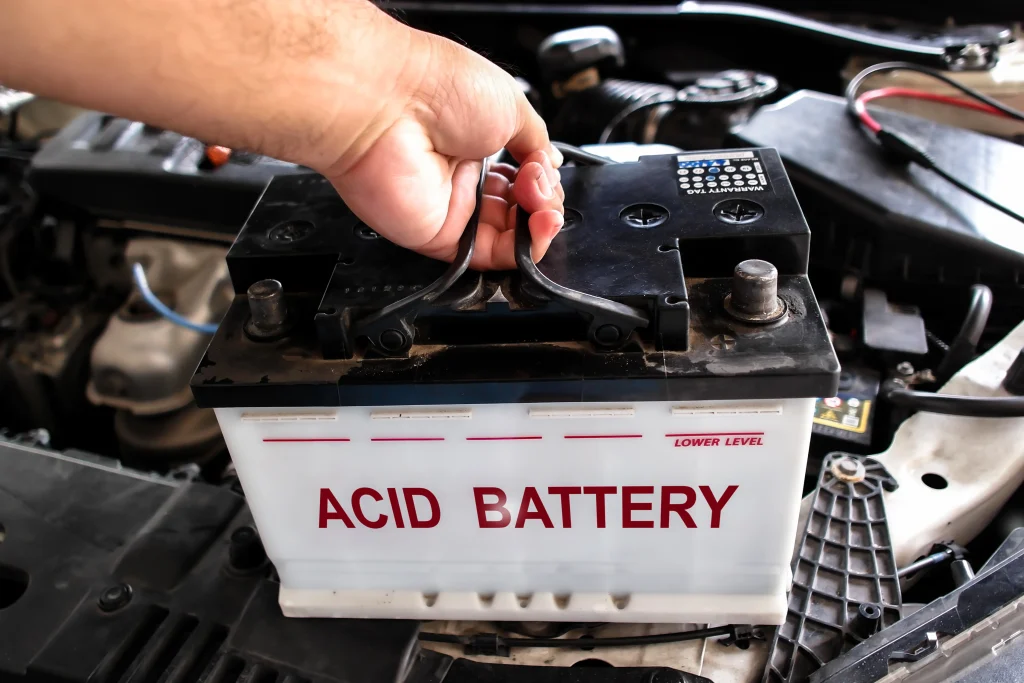
A dead car battery is one of the most frustrating situations a driver can face. You walk out to your car, turn the key or press the start button, and nothing happens. Whether you’re heading to work, running errands, or traveling across Australia’s long highways, a sudden battery failure can completely disrupt your day.
Understanding why your car battery dies suddenly and knowing the right steps to take can help you get back on the road quickly and avoid future breakdowns.
Why Car Batteries Die Suddenly
While a battery failure may seem unexpected, there are usually underlying causes. Here are the most common reasons why a car battery can die without warning.
Old Battery Age
Most car batteries last between 3 and 5 years depending on driving conditions, climate, and maintenance. In Australia’s hot climate, batteries may wear out faster because heat accelerates chemical reactions inside the battery.
If your battery is approaching the 3–4 year mark, it may simply be time for a replacement.
You can find replacement batteries and related components through Central Coast Auto Parts:
https://centralcoastautoparts.com.au/
Leaving Lights or Electronics On
A very common cause of sudden battery drain is leaving:
- Interior lights on
- Headlights on
- Infotainment systems running
- Phone chargers plugged in
Even small electrical drains can completely discharge a battery overnight.
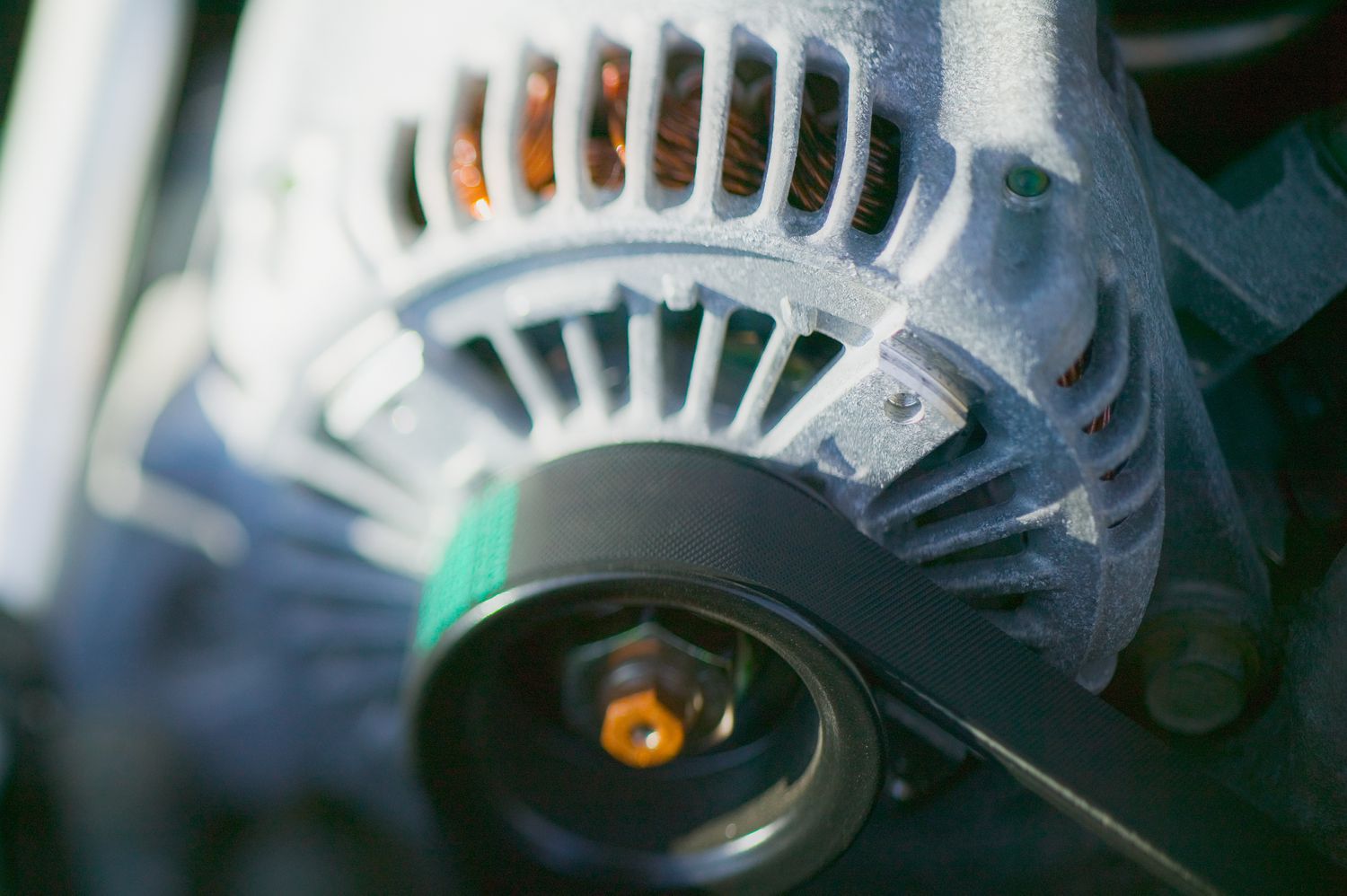
Faulty Alternator
Your alternator charges the battery while the engine is running. If the alternator fails, the battery will slowly lose power until the vehicle stops working.
Symptoms of alternator problems include:
- Flickering headlights
- Dashboard battery warning light
- Electrical systems malfunctioning
If you suspect alternator problems, you can browse compatible replacement parts here:
https://centralcoastautoparts.com.au/productsc
Corroded Battery Terminals
Corrosion around battery terminals can prevent proper electrical flow. If you notice white, green, or blue powdery buildup around the battery posts, this could cause starting issues.
Cleaning the terminals with a battery brush and protective spray can often restore connectivity.
Extreme Weather Conditions
Australia’s climate plays a major role in battery health.
- Extreme heat speeds up battery wear.
- Cold temperatures reduce battery capacity and make starting harder.
This combination often leads to sudden failures during seasonal temperature change.
Signs Your Battery Is About to Fail
Your battery rarely dies completely without warning. Watch for these symptoms:
Slow Engine Crank
If the engine takes longer to start than usual, the battery may be losing charge.
Dim Headlights
Weak headlights or interior lights often indicate low battery power.
Electrical Issues
Malfunctioning power windows, infotainment systems, or dashboard displays can signal battery problems.
Clicking Noise When Starting
If you hear a clicking sound when turning the key but the engine doesn’t start, the battery may not have enough power.
What to Do Immediately When Your Battery Dies
If your car battery dies unexpectedly, follow these steps.
Step 1: Stay Safe
If your battery dies while driving or parked in an unsafe location, turn on your hazard lights and move your vehicle to a safe spot if possible.
Step 2: Try a Jump Start
A jump start is the quickest way to bring a dead battery back to life.
You will need:
- Jumper cables
- Another vehicle with a working battery
Basic process:
- Connect positive cable to both batteries
- Connect negative cable to the donor battery
- Attach the other negative end to an unpainted metal surface
- Start the working vehicle
- Start the dead vehicle
If successful, drive for at least 20–30 minutes to recharge the battery.
Step 3: Test the Battery
Even if the car starts, the battery might be near failure.
You can:
- Use a battery tester
- Visit a mechanic
- Replace the battery if it cannot hold charge
Step 4: Inspect the Charging Syste
If the battery dies again shortly after jump-starting, the issue could be the alternator or electrical system.
Check:
- Alternator belt
- Battery connections
- Charging voltage
When You Should Replace Your Battery
Replace your car battery if:
- It is older than 3–5 years
- It fails load testing
- It frequently needs jump-starting
- It cannot hold a charge overnight
Buying a quality replacement ensures reliable starts and prevents unexpected breakdowns.
You can explore a wide selection of automotive components and electrical parts at:
https://centralcoastautoparts.com.au/products
Preventing Future Battery Failures
Preventative maintenance can significantly extend battery life.
Drive Regularly
Frequent short trips do not allow the alternator enough time to recharge the battery fully. Longer drives help maintain charge levels.
Turn Off All Electronics
Always double-check headlights, interior lights, and accessories before leaving your vehicle.
Clean Battery Terminals
Keep the terminals clean and corrosion-free to ensure strong electrical connections.
Test the Battery Annually
Regular battery tests can detect problems before they cause a breakdown.
What If Your Vehicle Is No Longer Worth Repairing?
Sometimes a dead battery reveals larger issues with the vehicle.
If the repair costs exceed the vehicle’s value, selling the car may be the better option.
You can quickly get an offer through:
https://centralcoastautoparts.com.au/sellyourcar
This service allows you to sell unwanted vehicles easily and receive cash for your car.
Learn More About Car Maintenance
For more automotive guides, maintenance tips, and car part advice, visit the Central Coast Auto Parts blog:
You can also see customer vehicles and parts in action through the gallery:
Final Thoughts
A dead car battery can happen to any driver, but understanding the causes and warning signs can help you avoid getting stranded. Regular inspections, proper maintenance, and timely replacements ensure your vehicle remains reliable.
If your battery dies suddenly, stay calm, follow the proper steps, and replace worn components as needed.
For trusted auto parts, expert advice, and reliable service, visit Central Coast Auto Parts and keep your vehicle running smoothly.