
Introduction: What Is an Alternator and Why Does It Matter?
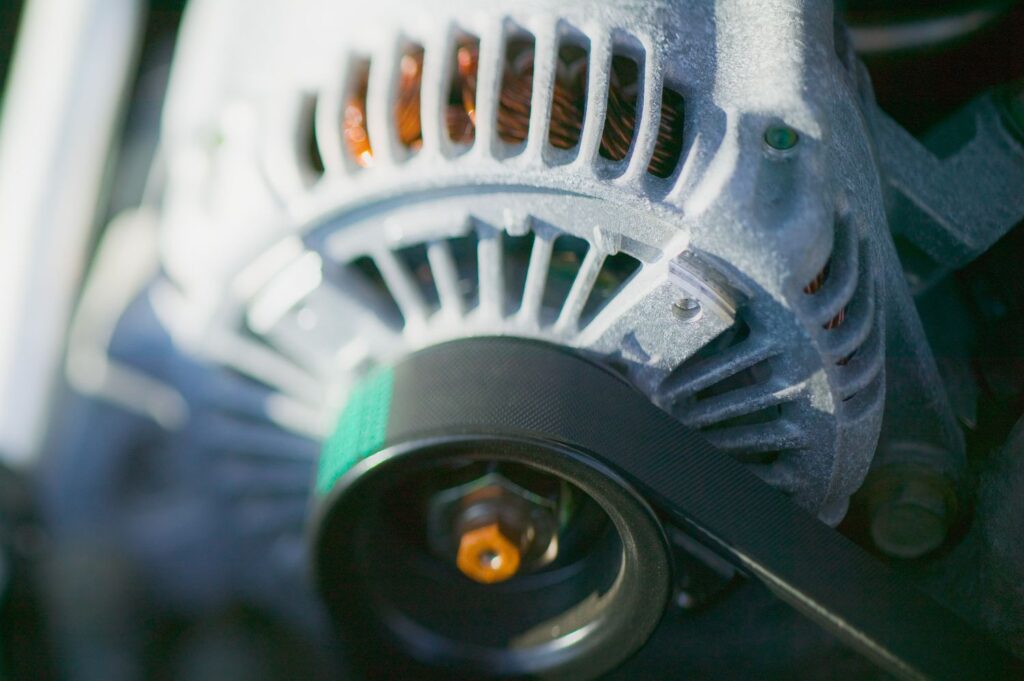
When it comes to vehicle performance, most drivers focus on the engine, brakes, or suspension. But one of the most overlooked — and absolutely vital — components under your bonnet is the alternator. This compact yet powerful device is responsible for charging your battery and powering your electrical systems while the engine is running.
If your alternator fails, your car doesn’t just lose power — it can stop running altogether.
In this blog, we’ll explain:
- What the alternator does
- Signs of a failing alternator
- How alternator issues affect overall vehicle performance
- When to replace or repair your alternator
- Where to find high-quality alternators in Australia
What Does the Alternator Do?
The alternator converts mechanical energy into electrical energy. It works with your battery to power systems like:
- Headlights
- Dashboard lights
- Radio and infotainment system
- Power windows and locks
- Air conditioning
- Windshield wipers
- Starter motor
While the battery provides the initial power to start your car, the alternator takes over once the engine is running — keeping your battery charged and your car’s electronics functioning.
Without a functioning alternator, your car would quickly lose power.
5 Common Signs of a Bad Alternator
Knowing the symptoms of a failing alternator can help you act fast and avoid breakdowns.
1. Dim or Flickering Headlights
One of the earliest signs is dimming headlights, especially when idling. That’s because the alternator isn’t providing enough power consistently.
2. Battery Warning Light
If the battery light on your dashboard comes on — and your battery is fine — the alternator could be the issue.
3. Strange Electrical Behaviours
If your radio cuts in and out, the power windows are slow, or the AC isn’t blowing cold, your alternator might be struggling to keep up.
4. Engine Stalling or Trouble Starting
A faulty alternator can cause starting problems or lead to sudden engine stalls due to insufficient voltage.
5. Burning Smell or Noises
An overworked alternator can emit a burning rubber smell or squealing noises due to worn-out bearings or belts.
How Alternator Health Affects Vehicle Performance
A failing alternator impacts more than just convenience features — it can compromise vehicle safety and performance.
- Loss of Power Steering: Some power steering systems rely on electrical power. A bad alternator can make steering harder.
- Battery Drain: If the alternator isn’t charging the battery, it will drain quickly, leaving you stranded.
- Failed Emission Systems: Modern cars use sensors and ECUs powered by electricity — without proper power, these systems malfunction.
- Increased Wear on Other Parts: A weak alternator makes your battery and electrical components work harder, shortening their lifespan.
To avoid these risks, ensure your alternator is always functioning properly — especially in Australian driving conditions that can be tough on electrical systems.
When to Replace Your Alternator
An alternator typically lasts 7–10 years or 150,000–250,000 km. However, this varies depending on:
- Driving conditions (stop-start city traffic is harder)
- Vehicle type and electrical load
- Maintenance history
Tip: If you’re replacing your alternator, also check your car battery, drive belt, and voltage regulator for wear.
Where to Buy a Quality Alternator in Australia
Need a reliable replacement?
🛠️ Browse our products to find high-quality used and OEM alternators.
Or visit your nearest branch at Tuggerah, Gosford, or Erina for same-day pickup and expert help.
✅ All parts are inspected and tested
✅ Competitive pricing for new and used alternators
✅ Local Central Coast delivery available
Have a scrap car? Sell your car and get cash for your parts — including a failing alternator.
How to Prevent Alternator Issue
Want to avoid alternator problems in the first place? Here’s what to do:
- Check the drive belt regularly (cracks or wear can affect function)
- Clean battery terminals to ensure smooth charging
- Avoid aftermarket electrical upgrades that overload your system
- Get regular inspections if you drive long distances or in hot conditions
Proactive maintenance is cheaper than breakdown recovery.
What If You Suspect a Fault?
If you think your alternator is failing:
- Use a multimeter to check output voltage (should be 13.5V–14.5V with the engine running)
- Test your battery — many “bad alternators” are just dead batteries
- Visit a trusted wrecker or mechanic to confirm before replacing anything
Need help? Contact us — we can help diagnose your issue and find a quality replacement.
Related Blog Posts
For more car part maintenance tips:
📚 Top 10 Tips for Extending Engine Life with Proper Parts
📚 Signs of Failing Brake Pads
📚 Checklist Before Buying Auto Parts Online
See our gallery for examples of customer vehicles and installs.
Final Thoughts
The alternator is the heartbeat of your car’s electrical system. Don’t wait for it to fail — stay alert to the signs, get regular inspections, and shop smart when it’s time to replace.
Whether you’re in Sydney, Central Coast, or Melbourne, Central Coast Auto Parts can help you find affordable, high-quality alternators that suit your vehicle and budget.