
Australian roads throw a bit of everything at your car lights: long dark highways, heavy rain, coastal fog, dusty regional roads, wildlife at dawn and dusk, and plenty of unlit stretches outside major cities. Choosing the “best” car lights isn’t only about brightness — it’s about beam pattern, legality, reliability, and being safe for you and other drivers.
This guide breaks down exactly what to look for when upgrading or replacing headlights, fog lights, and driving lights in Australia, plus practical tips to avoid buying the wrong gear.
What “best car lights” really means in Australia
The best setup depends on where and how you drive:
- City and suburban driving: You want clean cutoff lines to reduce glare, plus good wet-road visibility.
- Highway driving: You want distance and consistent output for long night drives.
- Regional and rural driving: You need strong forward lighting to spot animals early, but also need to stay compliant and not dazzle oncoming traffic.
- Coastal areas: Fog and rain matter — you need beam control more than raw lumens.
A common mistake is chasing ultra-white “super bright” bulbs without thinking about glare, legality, or real-world visibility. Australian rules focus heavily on preventing lights that dazzle other road users, and each state also has its own usage rules.
Understanding Car Lights for Australian Conditions
Step 1: Start with the basics — restore before you upgrade
Before buying new lights, check the condition of what you already have. Many “bad headlight” complaints come from these issues:
- Cloudy or yellowed headlight lenses (light output drops a lot)
- Misaligned headlights (even good bulbs look terrible when aimed wrong)
- Weak battery/alternator output (low voltage reduces brightness)
- Dirty lenses and road grime
If your lens is hazy, restoration can sometimes give you a bigger improvement than a bulb swap. If your aim is off, even expensive lights will underperform and annoy other drivers.
If you need replacement assemblies (headlights, tail lights, indicators) or other electrical parts, browse your options here: Central Coast Auto Parts products
Choosing and Installing the Right Car Lights
Step 2: Understand the types of car lights (and what they’re best at)
Halogen headlights
Halogen is the most common type on older vehicles. Pros:
- Cheap
- Easy to replace
- Widely available
Cons:
- Not as bright as modern options
- Shorter life compared to quality LEDs
Halogens work well when paired with clean lenses and correct aiming.
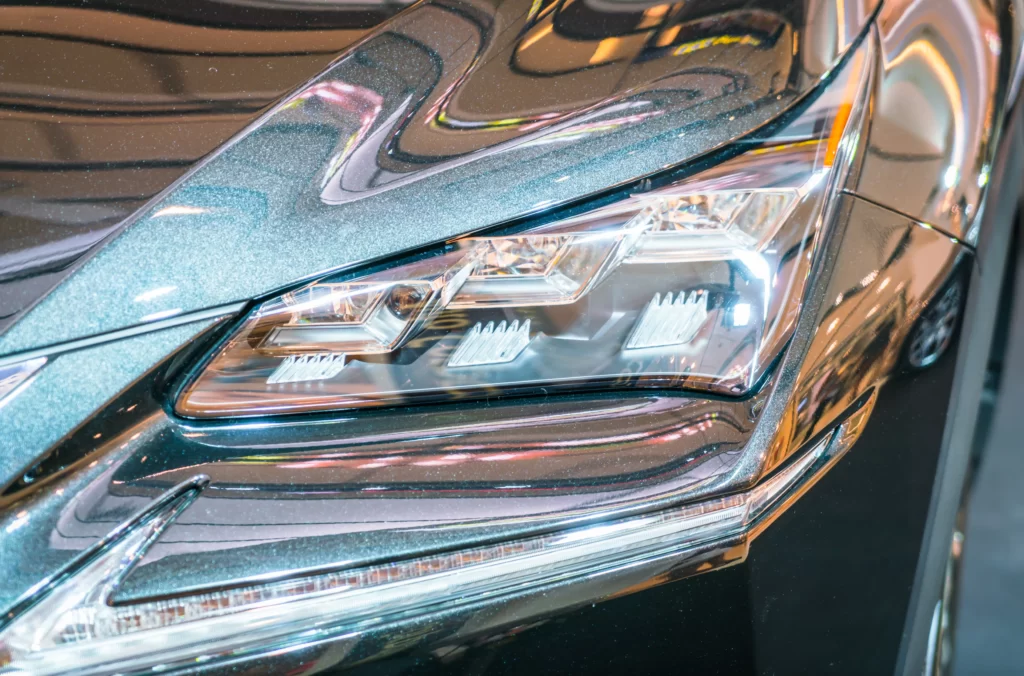
LED headlights
LEDs can be excellent, but the key is beam pattern, not “how white” they look. Pros:
- Efficient
- Long life (when quality)
- Fast response
Cons:
- Bad LED conversions can create glare and poor beam focus
- Some retrofits may not meet requirements depending on the setup and vehicle
Some jurisdictions warn that certain retro-fit conversions may not meet relevant design rules unless the overall system meets requirements (for example, cleaning devices/self-levelling on some HID setups).
HID (xenon) headlights
HIDs can provide strong output, but they must be done correctly. Poorly installed systems are notorious for glare.
When you’re considering upgrades, don’t just buy the brightest thing you see — aim for compliant, well-focused light.
Step 3: Know the rules that matter most
Australia has national vehicle standards (ADRs) covering lighting installation and performance.
On top of that, states enforce usage rules. In NSW, for example, there are rules around high beam use distances and lights that dazzle other drivers.
Practical takeaway:
- Avoid “glare bombs”
- Avoid illegal high beam usage
- Don’t fit lights that dazzle
- Ensure any added driving lights or accessories are installed and used properly
A simple way to stay safe: choose lighting products and setups that reference ADR compliance and have proper installation guidance.
Step 4: Choose the right light for the job
For everyday Australian roads (city + highway)
Look for:
- Clean cutoff beam pattern
- Strong wet-road visibility
- Good reliability and warranty
- Sensible colour temperature
A common misconception is that “whiter” equals “better.” Very high colour temperatures can create more glare in rain and fog. Many drivers find a balanced white output gives better contrast and comfort.
For fog and heavy rain
Fog lights are designed to throw light low and wide. They’re not meant to be “brighter headlights.” The goal is to reduce the amount of light bouncing back into your eyes in fog/rain.
Also remember: using certain lights incorrectly can be illegal or unsafe, so always follow local road rules on when and how to use headlights/fog lights.
For regional/rural night driving (animals, unlit roads)
Driving lights can help massively — but only if:
- They’re aimed correctly
- They’re wired properly
- They’re used responsibly (dip early for oncoming cars)
- They meet applicable fitting and use requirements
NSW has guidance around fitting and use of aftermarket forward-facing lamps (driving lamps), including limits and requirements tied back to ADRs.
Step 5: Avoid the most common buying mistakes
Mistake 1: Buying based on “lumens” alone
Lumens on the box don’t guarantee better seeing on the road. Beam focus and cutoff matter more.
Mistake 2: Ignoring housing compatibility
Reflector housings and projector housings behave differently. A bulb that works well in one can perform badly in the other.
Mistake 3: Not checking your electrical health
If your alternator or battery is weak, lights will underperform. If you’re seeing flicker or dimming, diagnose the charging system before blaming the bulbs.
Mistake 4: Installing without aiming
Aiming is everything. Bad aim = glare + poor visibility + risk.
Mistake 5: Choosing “blue” or ultra-white looks
These can be worse in rain and can increase glare.
If you want a checklist approach for buying parts online (including lighting), this guide is useful:
Step 6: Installation tips that actually matter
- Aim your headlights after any replacement (bulbs or housings).
- Don’t touch halogen glass with bare fingers (oil shortens bulb life).
- Use proper wiring/relays for driving lights to prevent voltage drop.
- Seal and protect connectors to reduce moisture issues.
- Check lens condition and restore if needed.
If you want to see examples of parts and vehicle tear-downs that help you match the right components, the Central Coast Auto Parts gallery is handy for reference.
Related maintenance note: suspension affects your headlight aim
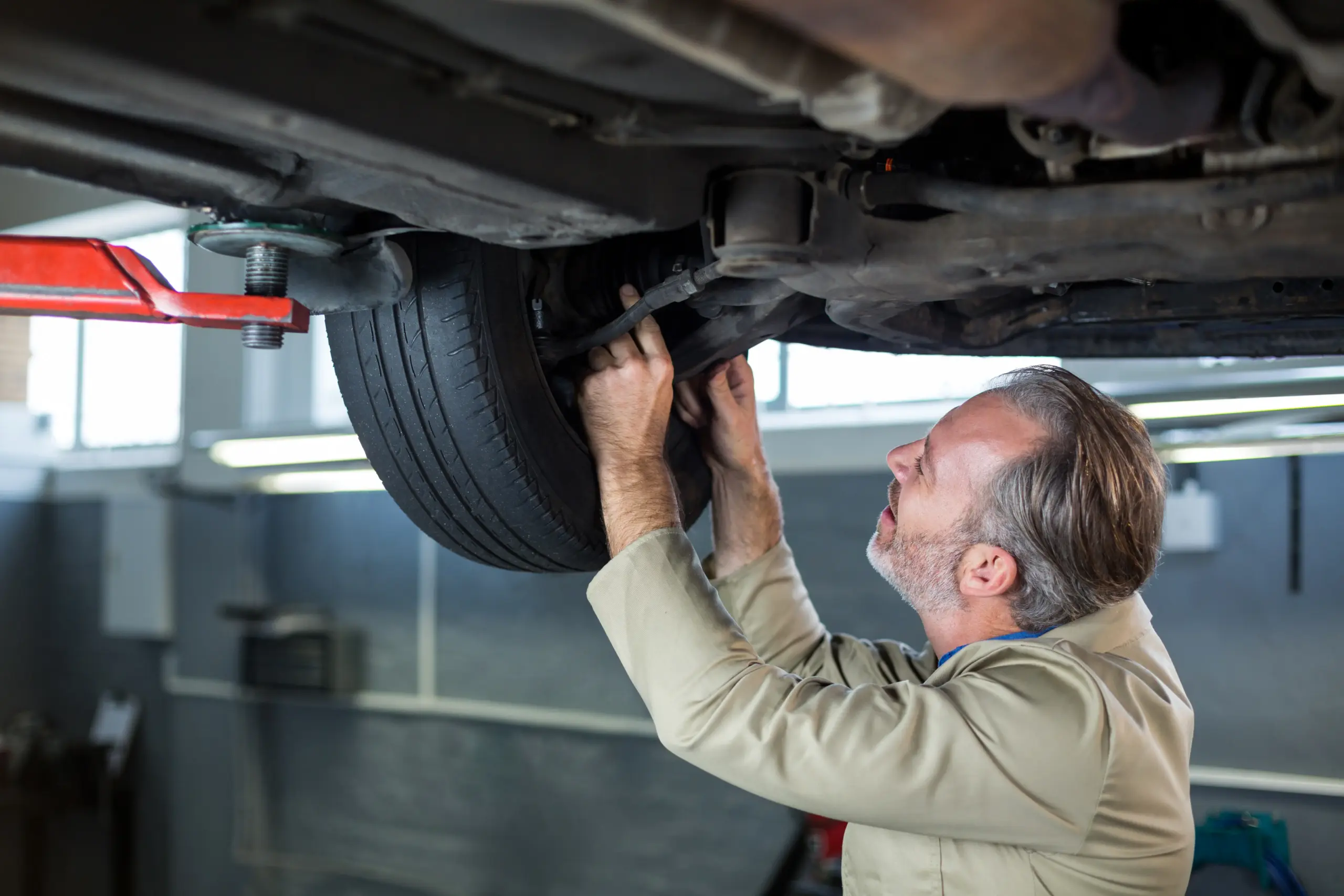
Here’s the link most people miss: worn suspension can change ride height and cause headlights to point too high or bounce excessively.
That’s why “light upgrades” sometimes don’t feel better — the vehicle’s stance and stability can be the real issue. If you’re also researching replacing shock absorbers yourself Australia, it’s worth knowing that fresh shocks can improve stability and keep your beams aimed properly over bumps (which improves night visibility in a very real way).
Where to Find Quality Car Lights and Parts in Australia
Where to buy car lights and compatible parts in Australia
If you’re sourcing replacement headlights, tail lights, indicators, globes, or related electrical components, you can start here:
- Central Coast Auto Parts homepage
- Shop parts/products
- Read more maintenance guides
- Browse the gallery for examples
- Got a vehicle to move on from? Sell your car
Final checklist before you buy
- Confirm your vehicle’s bulb type and housing style
- Decide what you need most: distance, wet-weather clarity, fog performance
- Prioritise beam pattern and glare control
- Stay compliant with ADR guidance and your state’s usage rules
- Install properly and aim the lights