
Your engine’s timing chain is one of the most critical components inside your vehicle. Unlike a timing belt, which requires scheduled replacement, a timing chain is designed to last much longer. However, “longer” does not mean forever. When a timing chain begins to fail, the consequences can be catastrophic — including complete engine damage.
Understanding the warning signs early can save you thousands of dollars in repairs.
In this guide, we’ll break down the most common signs you need to replace your timing chain, what causes failure, and where to find quality replacement parts in Australia.
What Does a Timing Chain Do?
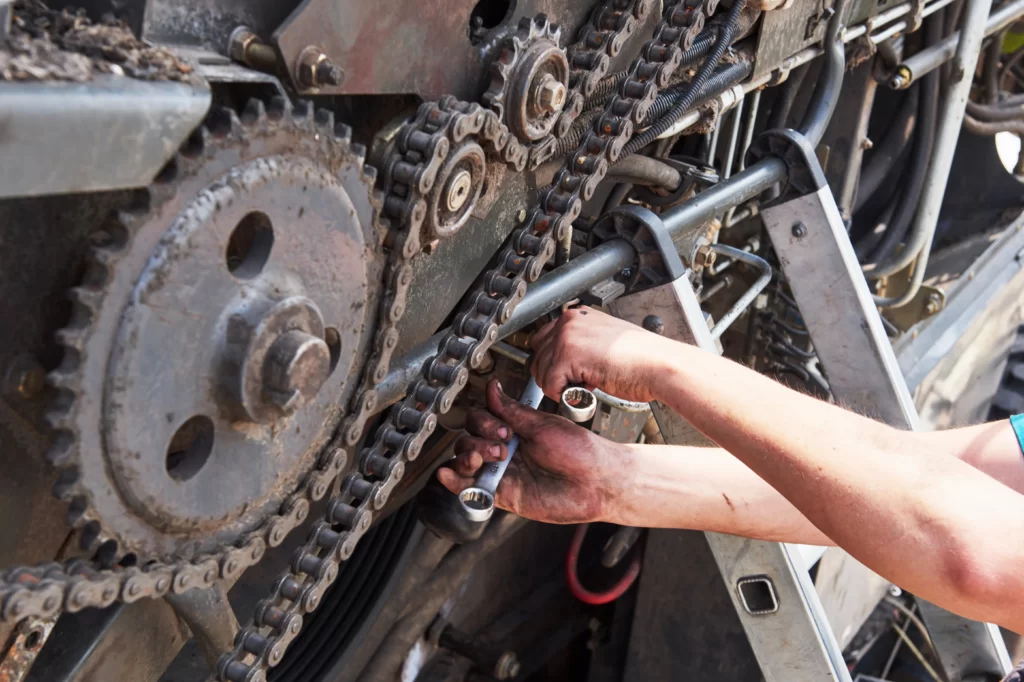
The timing chain synchronises the rotation of the crankshaft and camshaft. This ensures the engine valves open and close at the correct time during each cylinder’s intake and exhaust strokes.
If the timing chain slips, stretches, or breaks:
- Valves and pistons can collide
- Engine performance drops dramatically
- The engine may fail completely
In interference engines (common in many European vehicles), timing chain failure often results in major internal damage.
1. Rattling Noise From the Engine
One of the earliest and most common replace timing chain signs is a rattling sound from the front of the engine, especially during cold starts.
This happens when:
- The chain stretches
- The tensioner fails
- The guides wear down
If you hear a metallic rattling that disappears after a few seconds, do not ignore it. That is often the first warning sign.
2. Engine Misfires or Rough Idling
A stretched timing chain can cause the camshaft timing to shift slightly. When this happens:
- Valves open at the wrong time
- Fuel combustion becomes inefficient
- The engine misfires or runs rough
Drivers may notice hesitation, lack of power, or vibration at idle.
3. Check Engine Light Is On
Modern vehicles monitor camshaft and crankshaft position. If the timing is off, sensors detect it and trigger the check engine light.
Common related fault codes include:
- Camshaft position errors
- Crankshaft correlation faults
- Timing over-retarded or over-advanced codes
If your check engine light appears alongside rattling or misfiring, inspect the timing system immediately.
For professional advice or parts, visit
https://centralcoastautoparts.com.au/
4. Metal Shavings in Engine Oil
When timing chain guides wear down, they can leave plastic or metal debris in the oil.
During an oil change, mechanics may find:
- Fine metal particles
- Broken guide fragments
This is a serious warning that replacement should not be delayed.
5. Poor Engine Performance
If your car feels sluggish, struggles to accelerate, or burns more fuel than usual, a stretched timing chain could be the cause.
Incorrect timing affects:
- Combustion efficiency
- Fuel economy
- Power output
Drivers sometimes mistake this for spark plug or injector problems.
6. Engine Fails to Start
In severe cases, a timing chain may jump teeth or completely fail.
If that happens:
- The engine may crank but not start
- The engine may suddenly stop while driving
At this point, internal damage may already have occurred.
Why Timing Chains Fail
Timing chains are designed to last, but they are not indestructible. Common causes include:
- Poor oil maintenance
- Using incorrect oil grade
- High mileage
- Faulty tensioners
- Defective guides
European vehicles, in particular, can be sensitive to oil quality and service intervals. If you own a BMW, Audi, Mercedes-Benz, or Volkswagen, proper maintenance is essential.
If you’re looking for trusted European car parts suppliers Australia, Central Coast Auto Parts offers a wide range of quality components for imported vehicles.
Browse available parts here:
https://centralcoastautoparts.com.au/products
Timing Chain vs Timing Belt
Many drivers confuse timing chains with timing belts.
Timing Belt:
- Rubber construction
- Scheduled replacement (usually 80,000–150,000 km)
Timing Chain:
- Metal construction
- Designed to last longer
- Can fail without warning if neglected
Chains last longer, but when they fail, repairs are often more expensive.
When Should You Replace a Timing Chain?
There is no fixed interval for timing chain replacement like belts. However, replacement is recommended if:
- You hear persistent rattling
- Fault codes indicate timing issues
- The chain shows stretch beyond manufacturer tolerance
- The vehicle has high mileage and known chain issues
Some European engines are known for premature timing chain wear, making proactive replacement a smart decision.
Cost of Timing Chain Replacement in Australia
Timing chain replacement is labour-intensive because it requires:
- Removing engine covers
- Accessing internal timing components
- Replacing tensioners and guides
Costs vary depending on the vehicle but can range from $1,000 to $3,500+ in Australia.
While this may seem expensive, it is far cheaper than replacing a damaged engine.
Should You Drive With a Bad Timing Chain?
Short answer: No.
Driving with a failing timing chain risks:
- Complete engine failure
- Bent valves
- Damaged pistons
- Costly rebuilds
If you suspect a problem, diagnose immediately.
Where to Buy Quality Timing Chain Parts
If you need:
- Timing chain kits
- Tensioners
- Guides
- Camshaft components
Visit Central Coast Auto Parts for reliable, inspected components.
Homepage:
https://centralcoastautoparts.com.au/
Products Page:
https://centralcoastautoparts.com.au/products
If your vehicle is beyond repair, you can also sell it here:
https://centralcoastautoparts.com.au/sellyourcar
For more automotive guides and maintenance tips, visit:
https://blog.centralcoastautoparts.com.au/
See customer projects in the gallery:
https://blog.centralcoastautoparts.com.au/gallery/
Final Thoughts
Your timing chain is not something to ignore. Early warning signs like rattling noises, engine misfires, or check engine lights should be taken seriously.
Replacing a timing chain before it fails completely can protect your engine and save thousands of dollars.
If you drive a European vehicle and need reliable parts, working with trusted European car parts suppliers Australia ensures compatibility and quality.
Stay proactive, service your engine regularly, and never ignore unusual engine sounds.