
Your vehicle’s cooling system plays a critical role in keeping your engine running safely and efficiently. At the center of this system is radiator coolant, a fluid designed to regulate temperature, prevent overheating, and protect engine components from corrosion.
In Australia, where temperatures can reach extreme highs — especially during summer — maintaining the correct coolant levels and condition is essential. Ignoring coolant maintenance can lead to serious engine damage, costly repairs, and unexpected breakdowns.
This guide explains everything drivers need to know about radiator coolant, including how it works, when to replace it, warning signs of problems, and how to choose the right coolant for Australian driving conditions.
What Is Radiator Coolant?
Radiator coolant, also known as engine coolant or antifreeze, is a specially formulated liquid that circulates through your vehicle’s cooling system. Its primary job is to absorb heat from the engine and transfer it to the radiator, where the heat is released into the air.
Coolant also performs several other important functions:
- Prevents engine overheating
- Protects against corrosion and rust
- Lubricates water pump components
- Prevents freezing in cold conditions
- Maintains stable engine temperature
Without proper coolant, your engine can overheat within minutes, causing severe internal damage.
If you need replacement cooling system parts or components, you can explore available options here:
https://centralcoastautoparts.com.au/products
How the Cooling System Works
Understanding how coolant flows through your vehicle helps explain why maintenance is so important.
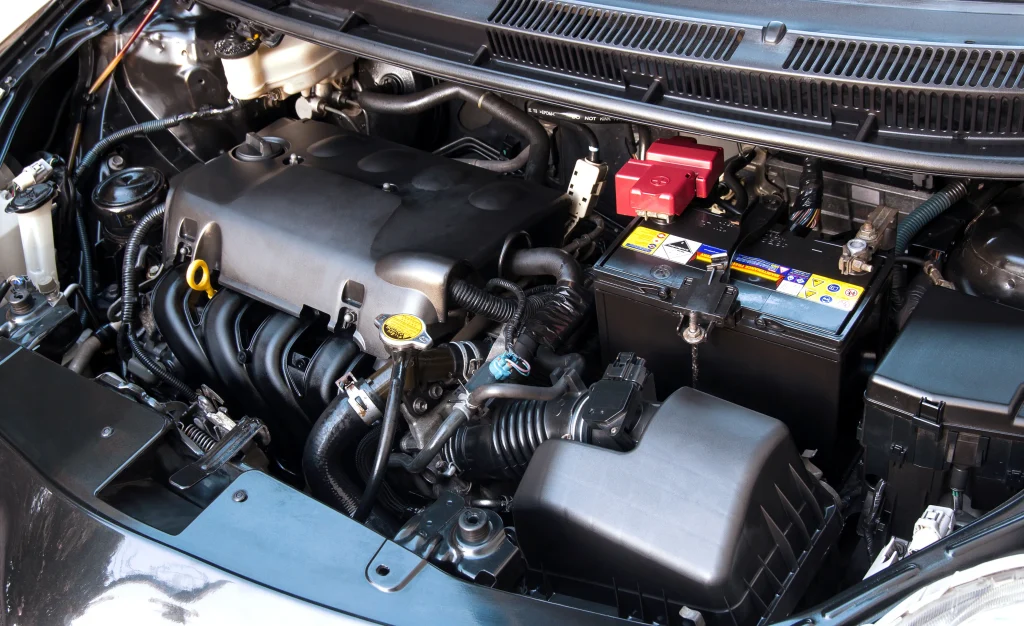
The cooling system includes:
- Radiator
- Water pump
- Thermostat
- Cooling fan
- Hoses
- Coolant reservoir
Here’s how it works:
- The engine produces heat during combustion.
- Coolant absorbs the heat and flows to the radiator.
- The radiator releases heat into the air.
- The cooled liquid circulates back to the engine.
This cycle repeats continuously while the engine is running.
If any part of the system fails — including the coolant itself — the engine temperature can rise quickly.
For more maintenance tips and automotive guides, visit:
https://blog.centralcoastautoparts.com.au/
Types of Radiator Coolant
Not all coolants are the same. Choosing the correct type is important for engine protection and performance.
1. Inorganic Additive Technology (IAT)
This is the traditional green coolant used in older vehicles.
Features:
- Suitable for older cars
- Shorter lifespan
- Requires more frequent replacement
2. Organic Acid Technology (OAT)
Modern vehicles typically use OAT coolant.
Features:
- Longer service life
- Better corrosion protection
- Designed for modern engines
3. Hybrid Organic Acid Technology (HOAT)
This coolant combines benefits from both IAT and OAT formulas.
Features:
- Strong corrosion protection
- Extended lifespan
- Compatible with many vehicle types
Always check your owner’s manual before selecting coolant. Using the wrong type can damage engine components.
How Often Should You Replace Radiator Coolant?
Most manufacturers recommend replacing coolant every:
- 2 to 5 years, or
- 40,000 to 100,000 kilometres
However, replacement intervals can vary depending on:
- Vehicle age
- Driving conditions
- Climate
- Coolant type
In hot Australian environments, coolant may degrade faster due to high temperatures and heavy engine load.
Regular inspections help prevent overheating and extend engine life.
Signs Your Radiator Coolant Needs Replacement
Recognising early warning signs can prevent serious engine damage.
Engine Overheating
One of the most obvious signs is a rising temperature gauge.
Overheating can occur when coolant:
- Is low
- Is contaminated
- Has lost its effectiveness
Sweet Smell from the Engine
Coolant has a distinct sweet smell. If you notice this odor, it may indicate a leak.
Visible Coolant Leaks
Look for:
- Bright green, orange, or pink fluid
- Puddles under your vehicle
- Wet spots around hoses or radiator
Rust or Sludge in the Coolant
Dirty coolant may appear:
- Brown
- Cloudy
- Thick
This indicates contamination or corrosion inside the cooling system.
What Happens If You Don’t Maintain Coolant?
Neglecting coolant maintenance can lead to major engine problems.
Common consequences include:
- Engine overheating
- Blown head gasket
- Cracked engine block
- Water pump failure
- Reduced fuel efficiency
These repairs can cost thousands of dollars — far more than routine coolant maintenance.
How to Check Your Radiator Coolant
Checking coolant levels is simple and can be done at home.
Follow these steps:
- Ensure the engine is completely cool
- Locate the coolant reservoir
- Check the fluid level indicator
- Add coolant if needed
Never open the radiator cap while the engine is hot, as pressurised coolant can cause serious burns.
Tips for Maintaining Your Cooling System
Regular maintenance keeps your engine running efficiently and prevents costly repairs.
Inspect Coolant Levels Regularly
Check levels at least once a month, especially during summer.
Flush the Cooling System Periodically
Flushing removes:
- Dirt
- Rust
- Old coolant
This improves cooling performance and protects engine components.
Check Hoses and Connections
Look for:
- Cracks
- Leaks
- Soft or swollen hoses
Replacing worn hoses prevents sudden coolant loss.
Monitor Engine Temperature
Pay attention to dashboard warnings and temperature readings.
If your vehicle overheats, stop driving immediately.
Choosing the Right Coolant for Australian Conditions
Australia’s climate places additional stress on vehicle cooling systems. High temperatures, long-distance driving, and heavy traffic can all increase engine heat.
When selecting coolant, look for:
- High boiling point protection
- Corrosion resistance
- Compatibility with your vehicle
- Long service life
- Reliable brand quality
Using high-quality coolant improves engine performance and reduces the risk of breakdowns.
When to Seek Professional Help
You should consult a professional mechanic if:
- Your vehicle overheats frequently
- Coolant levels drop quickly
- You notice persistent leaks
- The temperature warning light appears
Ignoring these issues can lead to serious engine damage.
Where to Find Cooling System Parts in Australia
If you need cooling system components such as:
- Radiators
- Hoses
- Thermostats
- Water pumps
- Cooling fans
You can find reliable parts through:
Final Thoughts
Radiator coolant is one of the most important fluids in your vehicle. It protects your engine from overheating, corrosion, and mechanical failure.
Regular maintenance, proper coolant selection, and early problem detection can prevent expensive repairs and keep your vehicle running smoothly in Australia’s demanding climate.
Whether you drive daily in city traffic or travel long distances across regional roads, maintaining your cooling system is essential for safety and performance.