


Changing your engine oil is one of the most important routine maintenance tasks you can do to extend the life of your car — and the good news is, you don’t always need a mechanic to do it. With a bit of preparation and the right tools, you can easily change your engine oil at home and save money in the process. This step-by-step guide will walk you through everything you need to know to perform an oil change safely and effectively — right in your driveway.
Why Regular Oil Changes Matter
Your engine oil acts as a lubricant and coolant for your engine’s moving parts. Over time, oil breaks down, becomes dirty, and loses its effectiveness. If left unchanged, it can lead to reduced engine performance, overheating, and even serious damage.
Changing your oil regularly:
- Keeps your engine clean
- Improves fuel efficiency
- Extends engine life
- Ensures your vehicle runs smoothly
What You’ll Need Before You Begin
Before starting the oil change process at home, gather the following tools and materials:
- Fresh engine oil (check your owner’s manual for the correct type)
- New oil filter
- Oil filter wrench
- Socket wrench
- Oil catch pan
- Funnel
- Rags or paper towels
- Rubber gloves
- Jack and jack stands or ramps (if needed)
- Owner’s manual (for oil capacity and specifications)
Step 1: Warm Up Your Engine (Slightly)
Start your engine and let it run for 5–10 minutes. Warm oil flows out more easily. However, don’t let it get too hot — you don’t want to burn yourself during the process.
Step 2: Safely Lift the Vehicle (If Required)
If your car’s oil drain plug is hard to reach, you’ll need to lift the car using a jack and secure it with jack stands or use drive-up ramps. Always work on a flat surface and never rely on the jack alone for support.
Step 3: Drain the Old Oil
- Locate the drain plug underneath the engine.
- Place the oil catch pan beneath it.
- Use a socket wrench to unscrew the drain plug and let the old oil drain completely.
- Once drained, replace the drain plug and tighten it securely.
⏱ Tip: This step typically takes 5–10 minutes.
Step 4: Remove and Replace the Oil Filter
- Use an oil filter wrench to remove the old filter.
- Before installing the new filter, apply a small amount of fresh oil to the rubber gasket on top of it.
- Screw the new filter in by hand — snugly, but not too tight.
Step 5: Add New Engine Oil
- Remove the oil cap on top of the engine.
- Place a funnel in the opening and pour in the correct amount of oil (see your manual).
- Replace the cap when done.
Step 6: Check Oil Levels and Leaks
- Start the engine and let it run for a minute.
- Turn it off and wait 2–3 minutes.
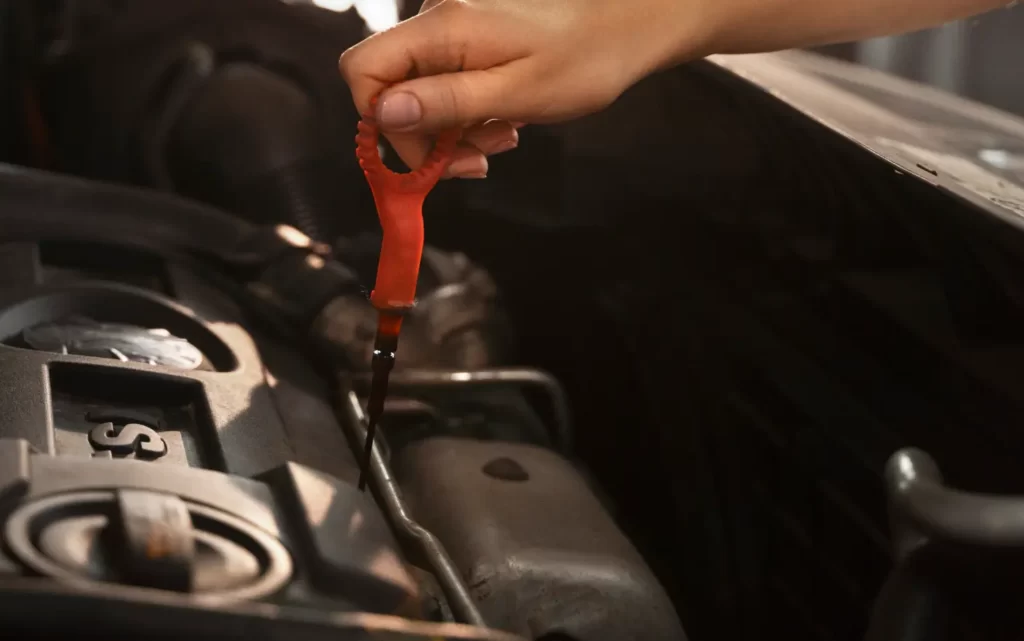
- Pull out the dipstick, wipe it clean, reinsert it, then pull it out again to check the oil level.
- Top up if necessary.
- Look under the car for any leaks.
Step 7: Properly Dispose of Old Oil
Used oil is toxic to the environment and must be disposed of responsibly. Most local auto parts stores or service stations in Australia offer free recycling. Never pour it down the drain or into the garbage.
Bonus Tip: Check Your Wiper Blades Too 🛠️
While you’re under the hood, it’s a good time to inspect your wiper blades. The harsh Australian weather — from scorching UV rays to heavy downpours — can wear down wipers fast.
🔧 Tip: Upgrade to high-quality wiper blades made for Australian conditions to ensure clear visibility during summer storms or winter showers.
Final Thoughts
Performing an oil change at home isn’t just a way to save money — it also gives you a better understanding of your vehicle and helps you keep it in peak condition. With just a few tools and some basic knowledge, you can confidently take control of your car’s maintenance routine.
If you’re looking for affordable car parts, high-performance engine oils, or premium wiper blades for Australia’s tough climate, check out Central Coast Auto Parts — your trusted local source for all things automotive.
FAQs
Q: How often should I change engine oil?
A: Most vehicles need an oil change every 5,000–10,000 km or every 6 months — whichever comes first. Always follow your owner’s manual.
Q: Can I reuse the oil filter?
A: No, it’s recommended to replace the oil filter every time you change the oil.
Q: What oil should I use in Australia’s climate?
A: Use oil suited to hot and variable conditions — typically 5W-30 or 10W-40 for most vehicles. Check your owner’s manual or ask your local supplier.