
Got an old, damaged, or non-running car taking up space? You’re probably wondering: “How much is my scrap car actually worth in Australia?” The honest answer is – it depends on more than just the metal. In 2026, the vehicle recycling industry is more active than ever, and knowing what drives your car’s value could mean hundreds – or even thousands – of extra dollars in your pocket.
According to the Australian Bureau of Statistics, there are over 20.4 million registered motor vehicles on Australian roads. Each year, hundreds of thousands reach end-of-life – creating a real, active market for scrap and unwanted vehicles. This guide breaks down every factor that affects your car’s value, which parts are worth the most, and how to get the best deal.
What Determines a Scrap Car’s Value in Australia?
When a wrecker or cash-for-cars buyer makes you an offer, they’re evaluating a combination of factors. Understanding these puts you in a much stronger negotiating position.
1. Vehicle Make, Model and Year
Popular makes like Toyota, Mazda, Ford, Mitsubishi, Hyundai and Subaru attract higher offers – not because of the metal, but because parts from these vehicles are in constant demand from workshops, smash repairers and DIY mechanics. A well-known model with a large ownership base means faster parts turnover for the wrecker, which translates directly into a better offer for you.
2. Condition and Completeness of the Vehicle
A complete vehicle – with engine, gearbox, doors, panels, seats, wheels and interior all present – will always fetch more than one that has been stripped. Each salvageable component adds value. Even if the engine is blown, the transmission, alternator, starter motor, catalytic converter and body panels may still be worth hundreds individually.
3. Vehicle Weight and Metal Content
The baseline floor for any scrap car is its metal value. Steel, aluminium and copper are commodities traded on global markets. Heavier vehicles – utes, SUVs, vans and 4WDs – contain more metal and therefore command a higher minimum price. Scrap steel prices fluctuate with global supply and demand, tracked by exchanges like the London Metal Exchange, which is why quotes can vary month to month.
4. Location and Towing Logistics
Where you are in Australia affects the offer. Metro areas like Sydney and Newcastle have more competing buyers and higher processing volumes, which generally means better rates. Regional areas like the Central Coast are well-served, but getting multiple quotes is always recommended. Some buyers offer free towing; others subtract transport costs from the final offer – always confirm before agreeing.
5. Current Scrap Metal Market Conditions
Global demand for steel and aluminium directly affects what you’ll be offered on any given day. Construction booms and manufacturing activity in Asia typically push scrap prices up. When demand softens, so do payouts. If you are not in a rush, monitoring market trends can help you time your sale for a better return.
How Vehicle Type Affects Scrap Value – At a Glance
Different vehicle categories carry different baseline values based on weight, parts demand and market desirability. Use this as a rough reference guide:
| Vehicle Type | Typical Weight | Parts Demand | What Boosts Value Most |
|---|---|---|---|
| Small Hatchback | 1,000-1,300 kg | Moderate | Low km, running engine, popular make |
| Medium Sedan / Wagon | 1,300-1,600 kg | High | Working gearbox, good panels, airbags intact |
| SUV / Crossover | 1,600-2,200 kg | Very High | Catalytic converter, alloy wheels, 4WD drivetrain |
| Ute | 1,800-2,400 kg | Very High | Tray, tow bar, diesel engine, low km |
| Van / People Mover | 1,900-2,600 kg | Moderate | Sliding doors, seats, diesel running gear |
| Heavy 4WD (LandCruiser, Patrol) | 2,200-3,000 kg | Extremely High | Transfer case, diffs, running engine, body panels |
Which Car Parts Hold the Most Value?
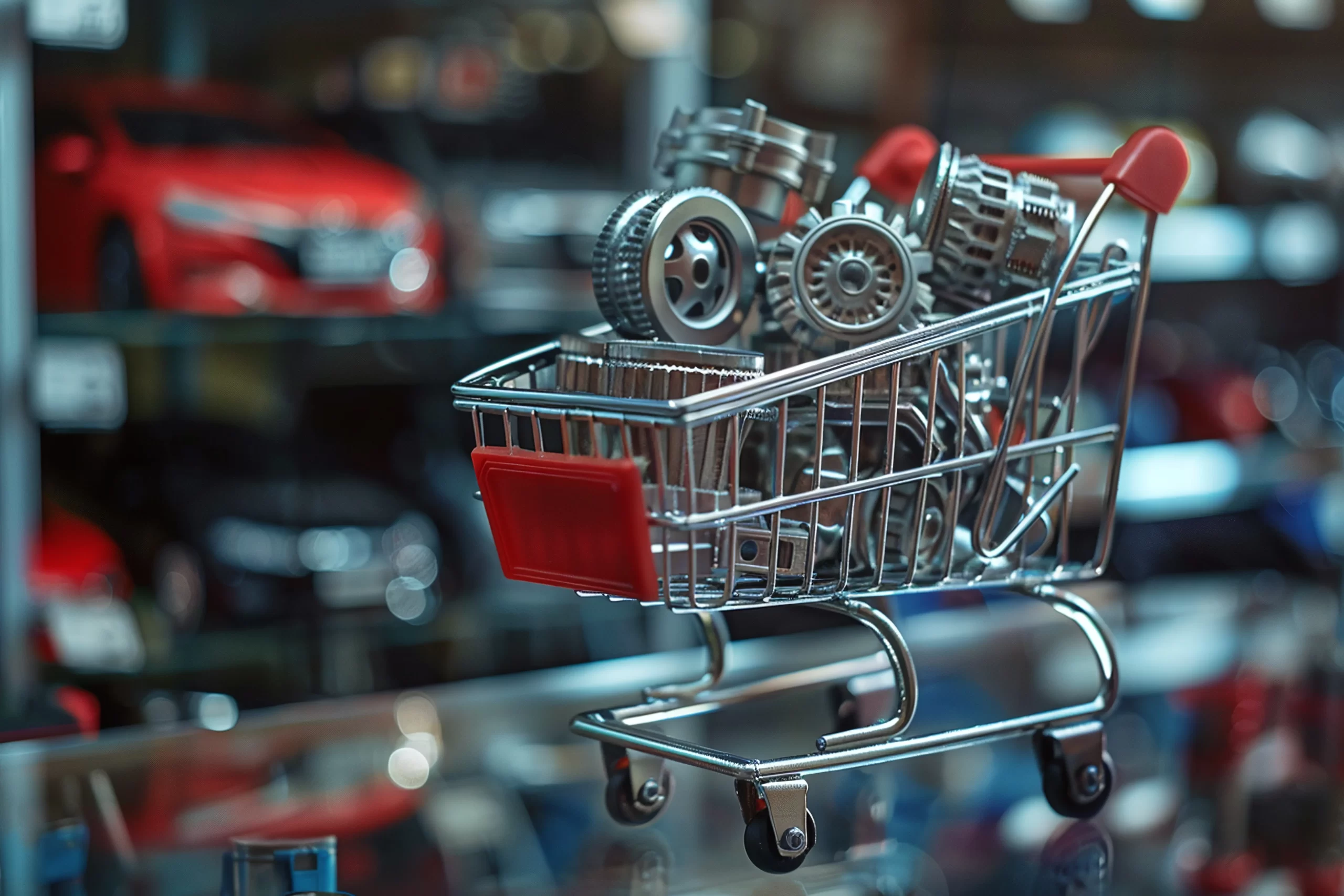
When a licensed wrecker buys your vehicle, they think about every component that can be tested, catalogued and resold. The more usable parts your car has, the higher the offer.
Catalytic Converter
The catalytic converter contains trace amounts of precious metals – platinum, palladium and rhodium – making it one of the single most valuable components on a modern vehicle. Even on a car that has not run in years, an intact cat converter adds real, measurable value to any offer.
Engine and Transmission
A running engine or low-kilometre gearbox is highly sought after. Workshops regularly source used engines and gearboxes as cost-effective alternatives to expensive new units. Even a seized engine may have salvageable cylinder heads, ancillaries or block components. A working automatic or manual transmission from a popular make is worth significant money on the used parts market.
Body Panels, Doors, Bonnets and Bumpers
Smash repairers are always looking for straight, undamaged body parts at a fraction of new OEM prices. A clean door, undamaged guard or straight bonnet from a common make can be worth several hundred dollars on its own. This is especially true for popular models sold in large numbers – the more cars on the road, the more demand for their panels.
ECU and Electrical Modules
Modern vehicles contain dozens of electronic control units – engine ECUs, ABS modules, airbag controllers, HVAC units, instrument clusters and more. Provided they have not been water-damaged, these are saleable and sometimes hard to source new. A matching ECU for a specific model year can save a workshop hundreds over a dealer part.
Wheels, Tyres and Suspension Parts
A set of alloy wheels with usable tread adds meaningful value to any quote. Springs, struts, control arms and sway bars from popular models also move quickly in the used parts market – particularly for budget-conscious home mechanics keeping older vehicles on the road.
Parts Value Contribution – Quick Reference
| Component | Value to Wrecker | Notes |
|---|---|---|
| Catalytic Converter | ????? | Precious metals – high value even on non-runners |
| Running Engine (low km) | ????? | Highest single component value on the vehicle |
| Gearbox / Transmission | ????? | Both auto and manual in strong demand |
| Body Panels (undamaged) | ????? | Most valuable on high-volume popular makes |
| Alloy Wheels and Tyres | ????? | Good tread adds significant value |
| ECU / Electrical Modules | ????? | Must be undamaged and correctly matched |
| Interior (seats, dash) | ????? | Condition-dependent; airbags add extra value |
| Battery | ????? | Age and health matter – recent batteries worth more |
Scrap Yard vs Cash for Cars vs Licensed Wrecker – What’s the Difference?
These terms get used interchangeably, but there is an important distinction that directly affects your payout and the overall experience.
Scrap Metal Dealer
A pure scrap yard pays for the weight of the metal only. They crush the car whole and sell it at commodity rates. This is typically the lowest offer you will receive – but also the simplest process with minimal questions asked.
Cash for Cars Service
A cash-for-cars operator buys vehicles – often for parts – but operates more like a middleman. Some dismantle themselves; others on-sell to wreckers. Prices vary widely and not all include free towing. Always read the fine print before agreeing.
Licensed Car Wrecker
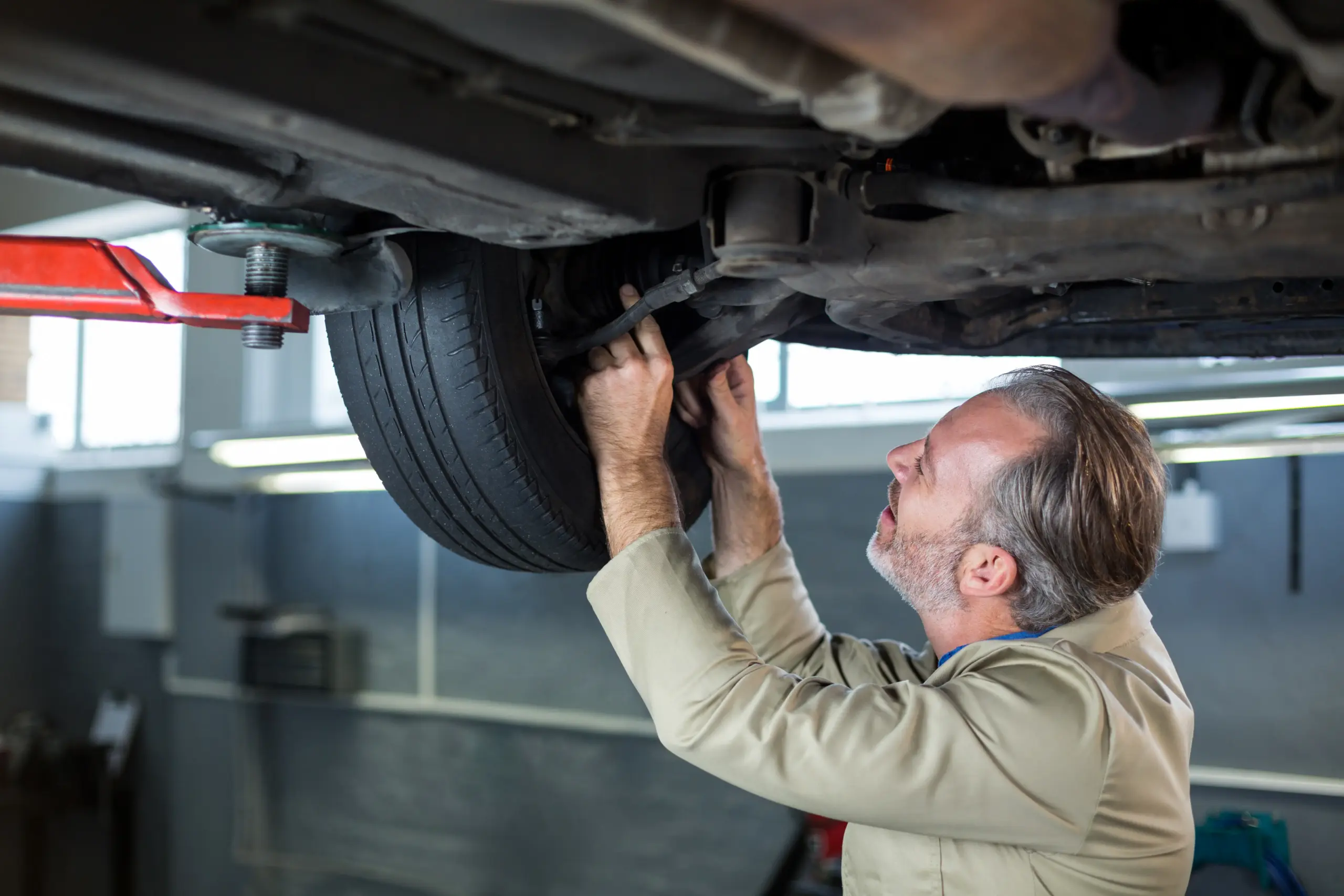
A licensed car wrecker dismantles the vehicle themselves, tests and catalogues each part, and sells components directly to the public, workshops and smash repairers. Because they extract full value from each vehicle, they can often offer more upfront – and they handle all the paperwork.
| Scrap Yard | Cash for Cars | Licensed Wrecker | |
|---|---|---|---|
| Pays for parts value? | No | Sometimes | Yes |
| Free towing included? | Sometimes | Often | Often |
| Handles paperwork? | Rarely | Usually | Yes |
| Typical offer level | Lowest | Mid | Highest |
| Paid on the day? | Yes | Yes | Yes |
How to Get the Best Price for Your Scrap Car in 2026 – Step by Step
Step 1: Gather Your Vehicle Details First
Before calling, have your registration plate, VIN, make, model, year, odometer reading and a clear description of the condition ready. The more detail you provide upfront, the more accurate – and typically higher – the quote will be. Photos of the vehicle also help buyers give faster, firmer offers.
Step 2: Get at Least 2-3 Quotes
Never accept the first offer. A quick call to a second or third wrecker often adds hundreds to your payout. Prices vary between buyers even for identical vehicles, and a little competition works strongly in your favour.
Step 3: Highlight What Is Still Working
If the vehicle has a running engine, good gearbox, intact catalytic converter or a full set of alloys – say so. These details materially influence the offer and many sellers forget to mention them, leaving money on the table.
Step 4: Check Your Registration Status
If your registration is still current, you may be entitled to a partial refund when you cancel it. In NSW, this is handled through Service NSW. Other states have equivalent processes – it is free money most people leave on the table.
Step 5: Choose a Licensed, Reputable Buyer
A licensed wrecker will handle the Notice of Disposal so you are no longer legally responsible for the vehicle once it leaves your property. This protects you from future fines, tolls, or incidents involving the car after the sale.
The Environmental Case for Scrapping Your Car the Right Way
Scrapping a vehicle is not just about the money – it is one of the most environmentally responsible decisions you can make with an end-of-life car. Millions of unregistered vehicles sit in driveways and paddocks across Australia, slowly leaking engine oil, coolant, brake fluid and fuel into the soil and stormwater systems.
When a licensed wrecker processes a vehicle, they drain and safely dispose of all fluids in compliance with EPA regulations, recover and recycle 85 to 90 percent of the vehicle by weight, and prevent hazardous materials from entering landfill or waterways. They also recirculate usable parts back into the market, reducing the need for energy-intensive new part manufacturing – and handle refrigerants, batteries and tyres through proper channels.
Choosing a reputable, licensed operation like Central Coast Auto Parts means your vehicle’s end of life is handled legally, transparently, and with as little environmental impact as possible.
Frequently Asked Questions
Do I need papers or registration documents to sell a scrap car?
In most cases, yes – proof of ownership protects both you and the buyer. A licensed wrecker will ask for ID and vehicle documentation. If you have lost the papers, contact your state roads authority for a replacement certificate.
Will the wrecker tow my car for free?
Many licensed wreckers, including Central Coast Auto Parts, offer free vehicle removal within their service area. Always confirm this before agreeing to a final price, as some operators deduct towing costs from the offer after the fact.
What if my car is unregistered or unroadworthy?
That is perfectly fine. Wreckers regularly buy non-running, unregistered, written-off, hail-damaged and flood-affected vehicles. The condition simply affects the offer – it does not disqualify you from selling.
How quickly will I be paid?
Most reputable wreckers pay on the day of pickup – either via bank transfer or cash. Confirm the payment method before the vehicle is collected so there are no surprises.
Is it better to sell privately or scrap my car?
If your car is roadworthy and registered, a private sale or trade-in will almost always return more money. But if the vehicle is unregistered, damaged, or the repair cost exceeds its value, scrapping it is the fastest and most hassle-free path to cash – no advertising, no tyre-kickers, no waiting.
Ready to Get a Fast Quote on the Central Coast?
If you have got an old, damaged, or unwanted vehicle taking up space, Central Coast Auto Parts makes the process simple. We are a licensed car wrecker based in Berkeley Vale, NSW, buying vehicles across the Central Coast, Sydney, Newcastle and surrounding regions.
- Free vehicle removal within our service area
- Fast cash paid on the day of pickup
- All paperwork handled – including Notice of Disposal
- Environmentally responsible dismantling and recycling
- Over 20 years of experience in vehicle buying and used parts
Call us on 02 4388 1818 or submit a sell enquiry online for a fast, no-obligation quote. We will tell you exactly what your car is worth – no runaround.