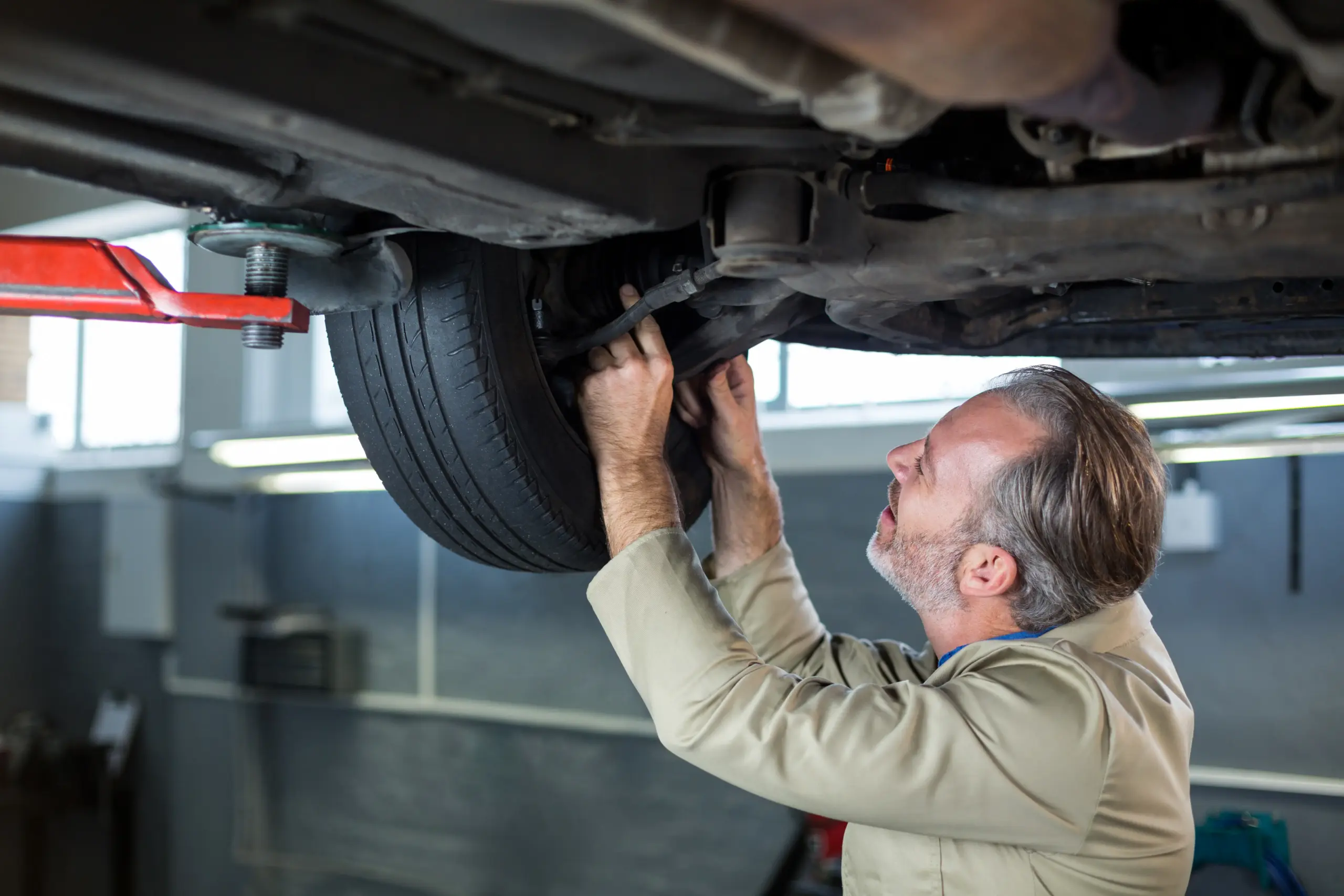


Strange engine noises are one of the earliest warning signs that something is wrong with your vehicle. While many drivers hope the noise will disappear on its own, ignoring unusual sounds can lead to serious mechanical problems, expensive repairs, or even complete engine failure.
Your engine is designed to run smoothly and quietly. When new noises appear — such as knocking, grinding, squealing, or ticking — it usually means that a component is wearing out, loose, or failing. Acting quickly can save you time, money, and stress.
In this guide, we’ll explain why you should never ignore strange engine noises, what different sounds mean, and how to address problems before they become major repairs.
Why Engine Noises Should Never Be Ignored
Vehicles communicate problems through sound before visible damage occurs. Strange engine noises often indicate early-stage mechanical issues that are easier and cheaper to fix when detected quickly.
Ignoring these sounds can lead to:
- Engine overheating
- Internal engine damage
- Reduced fuel efficiency
- Sudden breakdowns
- Expensive repairs
Preventative maintenance is always more affordable than emergency repairs. That’s why professional mechanics recommend investigating any unusual noise immediately.
If you suspect a problem and need reliable replacement parts, you can explore options here:
https://centralcoastautoparts.com.au/
Common Types of Strange Engine Noises and What They Mean
Different sounds can point to specific mechanical problems. Understanding these noises helps you identify potential issues early.
Knocking or Pinging Noise
A knocking sound usually indicates combustion problems inside the engine.
Possible causes:
- Low engine oil
- Incorrect fuel type
- Worn engine bearings
- Engine overheating
Knocking noises should never be ignored because they can lead to severe engine damage if left untreated.
Grinding Noise
Grinding sounds often occur when metal components rub against each other due to wear or lack of lubrication.
Common causes:
- Worn brake components
- Failing transmission
- Damaged starter motor
- Engine internal damage
Grinding noises typically signal urgent mechanical problems.
Squealing or Screeching Noise
A high-pitched squealing sound is often related to belts or pulleys.
Possible causes:
- Worn serpentine belt
- Loose belt tension
- Failing alternator
- Water pump problems
Replacing worn belts early prevents sudden breakdowns.
You can find compatible components and replacement parts here:
https://centralcoastautoparts.com.au/products
Ticking or Clicking Noise
Ticking sounds usually indicate minor mechanical issues but can worsen over time.
Common causes:
- Low engine oil level
- Valve train wear
- Fuel injector issues
- Exhaust leaks
Regular oil changes and maintenance can help prevent these problems.
Rattling Noise
Rattling sounds may indicate loose components or worn parts inside the engine.
Possible causes:
- Loose heat shield
- Worn timing chain
- Damaged engine mounts
- Exhaust system issues
If rattling occurs during acceleration or startup, it should be inspected immediately.
The Cost of Ignoring Strange Engine Noises
Small mechanical issues can quickly escalate into major repairs when ignored.
For example:
A minor belt issue may cost a few hundred dollars to fix.
If ignored, the belt can break and cause engine damage costing thousands of dollars.
Similarly:
Low oil levels may cause a ticking noise.
If ignored, the engine may seize completely.
Early detection saves money and prevents unexpected breakdowns.
How to Identify the Source of Engine Noise
When you hear a strange noise, try to observe the conditions under which it occurs.
Ask yourself:
- Does the noise happen when starting the engine?
- Does it occur during acceleration?
- Does it disappear after the engine warms up?
- Does it happen when turning or braking?
These details help mechanics diagnose the problem faster.
Warning Signs That Require Immediate Attention
Some engine noises require urgent action.
Seek professional help immediately if you notice:
- Loud knocking or banging
- Smoke from the engine
- Burning smells
- Sudden loss of power
- Engine overheating
- Persistent grinding sounds
Driving with these symptoms can cause severe damage.
Preventing Engine Noise Problems
Regular maintenance is the best way to prevent strange engine noises.
Follow Regular Service Intervals
Routine servicing keeps engine components in good condition and prevents wear.
Maintain Proper Oil Levels
Engine oil lubricates moving parts and reduces friction.
Low oil levels are one of the most common causes of engine noise.
Replace Worn Parts Promptly
Delaying replacement of worn components increases the risk of breakdown.
Use Quality Replacement Parts
High-quality parts last longer and improve vehicle reliability.
If you need dependable components, visit:
https://centralcoastautoparts.com.au/products
When to Stop Driving Your Vehicle
Sometimes continuing to drive can make the problem worse.
Stop driving immediately if:
- The noise becomes loud or constant
- The engine overheats
- Warning lights appear
- The vehicle loses power
Driving in these conditions can cause permanent engine damage.
What If Repairs Are Too Expensive?
In some cases, the cost of repairing engine damage may exceed the value of the vehicle.
If your car is no longer worth fixing, you can sell it quickly.
Learn More About Vehicle Maintenance
For additional car maintenance tips and automotive guides, visit:
You can also view vehicle parts and projects in the gallery:
Final Thoughts
Strange engine noises are your vehicle’s way of warning you that something is wrong. Ignoring these sounds can lead to expensive repairs, unexpected breakdowns, and safety risks.
Pay attention to unusual sounds, perform regular maintenance, and address problems early to keep your vehicle running smoothly.
Taking action quickly not only protects your engine but also saves you money in the long run.